
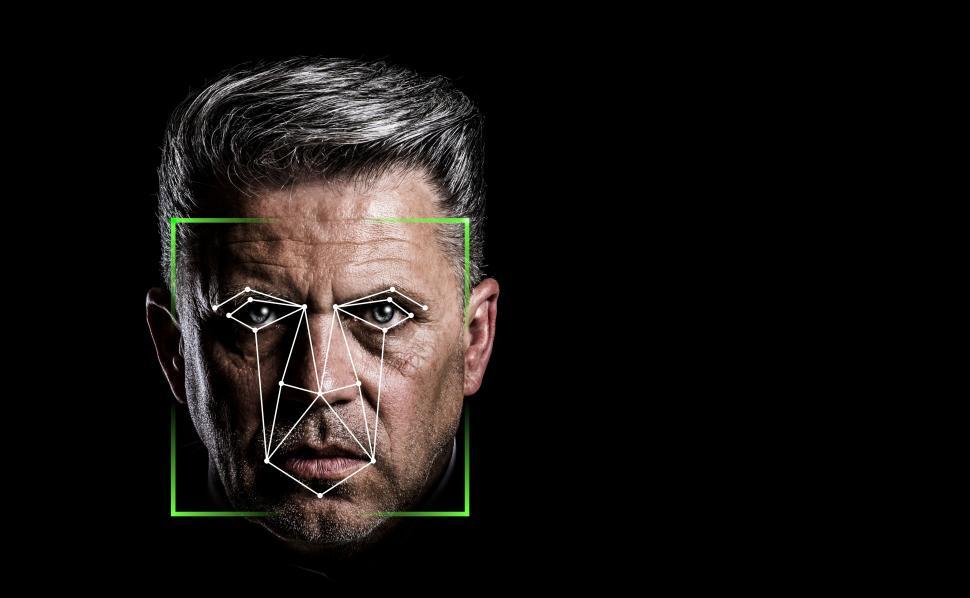
In a major step toward combating the growing wave of deepfakes and identity misuse, YouTube has announced a forthcoming “likeness detection” feature, designed to identify when someone’s face or voice is used in videos without consent. The move marks one of the first large-scale efforts by a mainstream platform to address the ethics of synthetic media — a space increasingly defined by blurred lines between reality, creativity, and manipulation.
Protecting the Self in the Age of Replication
At its core, YouTube’s new tool uses machine-learning facial and voice recognition models to scan uploaded videos for matches against registered identities. If a match is found — say, your face appears in a clip you didn’t upload — the system can flag the content, notify the affected person, and potentially restrict or remove the video depending on policy violations. This brings a new kind of digital safety net to creators, public figures, and everyday users alike.
The tool was developed as part of YouTube’s broader effort to counter AI-generated impersonations, a problem that has exploded with the popularity of generative video and audio tools. Deepfake clips of politicians, celebrities, and even private individuals have gone viral across platforms, often weaponized for harassment, misinformation, or revenge. By introducing a likeness detector, YouTube is signaling that it wants to balance innovation with accountability — protecting both creators and viewers from deceptive content.
Implications for Social-Media Users
For everyday social-media users, this represents a paradigm shift. Until now, protecting your digital likeness largely depended on self-reporting or platform-specific takedown requests, both slow and reactive systems. With YouTube’s likeness detection, users could soon benefit from proactive identity protection: a system that recognizes and acts before harm spreads.
But this also raises questions about privacy and data control. To identify likenesses, YouTube must rely on a database of biometric patterns — essentially, digital signatures of users’ faces and voices. Although the company says participation will be voluntary and data will be handled securely, critics point to the potential for misuse or breaches. In a world already wary of surveillance capitalism, users may be uneasy about entrusting another tech giant with their biometric information.
The balance between safety and surveillance is delicate. On one hand, the feature empowers individuals against exploitation; on the other, it normalizes the use of facial recognition technology in everyday media sharing. For creators, the challenge will be understanding how this system affects parody, remix culture, and transformative art — cornerstones of social media creativity.
The Broader Context: AI Accountability and Platform Responsibility
YouTube’s move comes amid increasing pressure on social-media platforms to address the societal risks of artificial intelligence. Regulators in the U.S., U.K., and European Union have all discussed frameworks for labeling or restricting AI-generated content. TikTok and Meta have both begun experimenting with “AI content” tags, while X (formerly Twitter) remains largely unregulated in this area. YouTube’s tool goes a step further by detecting misuse rather than simply labeling AI output — a proactive stance that may set an industry standard.
For creators who rely on authenticity and trust, the tool could help rebuild user confidence in what they see online. The rise of deepfakes has eroded that trust; videos can no longer be taken at face value. If implemented effectively, YouTube’s detection system could mark the start of a new “verified reality” era in social media — where identity and authorship matter again.
Looking Ahead: Transparency in Operations
The real test will lie in how transparent and equitable YouTube’s system becomes. Who gets access to likeness protection? Will small creators and ordinary users enjoy the same safeguards as public figures? And what recourse will users have if the system flags legitimate content by mistake?
Despite these open questions, YouTube’s likeness detection tool represents a rare moment of alignment between technology and ethics — a sign that platforms are finally acknowledging their role in protecting personal identity online. For social-media users, it could mean the dawn of a safer, more trustworthy digital environment, where one’s face, voice, and story are truly their own again.