
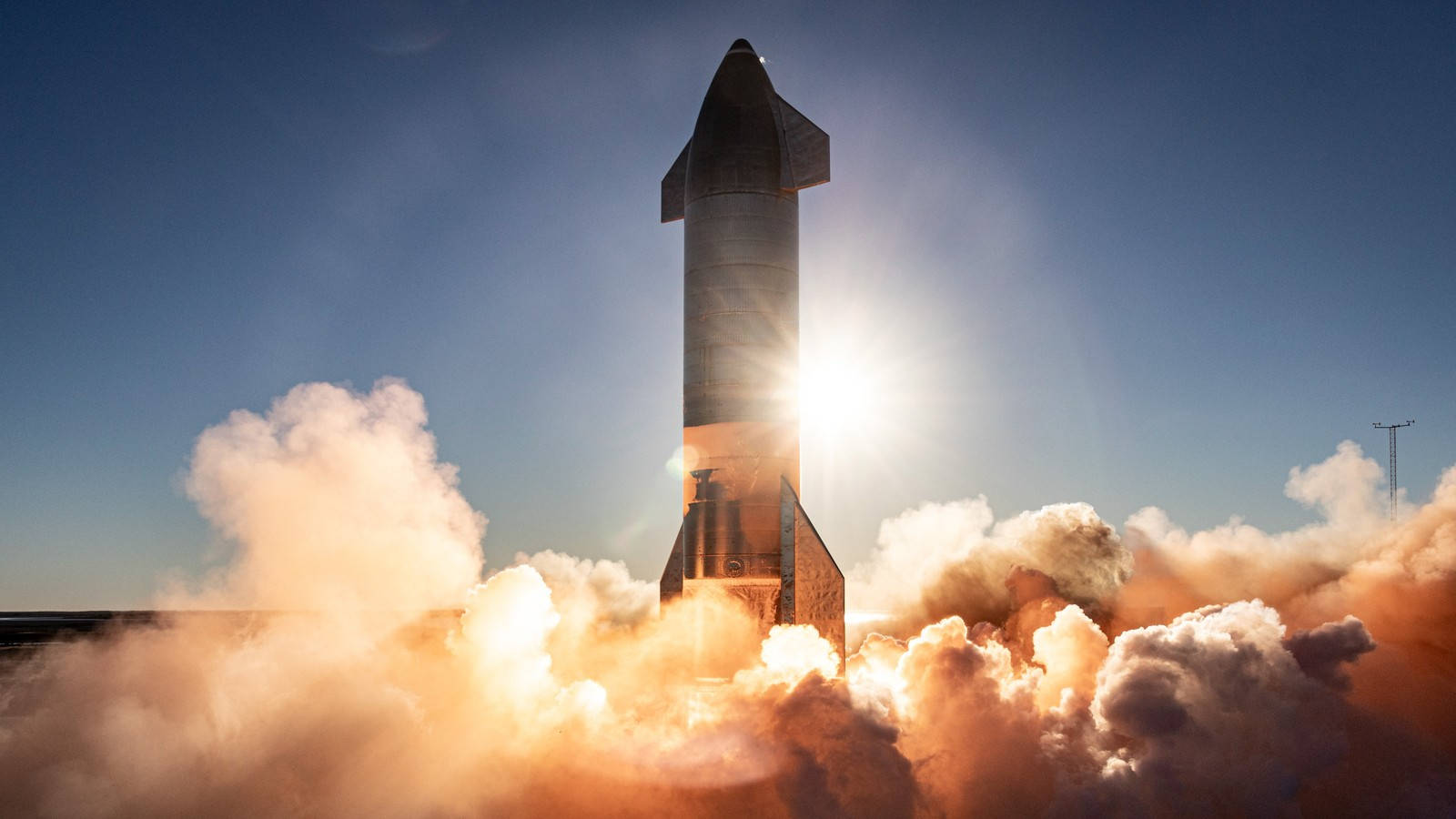
After a dramatic launch and controlled splashdown, SpaceX’s 11th test marks the final flight for its current Starship design — and kicks off the transition to a more advanced generation.
Just after sunset on October 13, 2025, a silver tower of steel and fire rose from the Texas Gulf coast into the evening sky. The Starship stack — Super Heavy and Ship 38 — ascended with purpose. This mission, known as Flight 11, would be the last for the current generation. It carried the weight of expectation: deliver data, survive reentry, and pave the way forward.
Launch & Mission Highlights
- The Super Heavy booster separated cleanly and followed a controlled descent to a soft water landing in the Gulf of Mexico.
- The upper stage, Ship 38, achieved engine reignition in orbit, then entered the atmosphere and executed a rolling banking maneuver for reentry control.
- To test resilience, some heat-shield tiles were omitted deliberately. Despite that, the vehicle endured extreme thermal loads and ultimately splashed down in the Indian Ocean in stable condition.
- Dummy payloads — stand-ins for Starlink satellites — were deployed to simulate real mission flow and verify internal systems.
Engineering Stakes & Tests
Flight 11 was engineered to stress the Starship’s capabilities. The banking maneuver during reentry is meant to refine the control needed for precise landings in the future. The missing tiles experiment gives engineers hard data on how sonic heating and plasma flows affect partially compromised thermal protection — vital for design hardening. The success of the upper stage’s reignition also strengthens confidence for orbital maneuvering in future missions.
A Closing Act, A New Beginning
With Flight 11 complete, SpaceX is retiring the Block 2 / Version 2 configuration of Starship. Its successor, the Version 3 model, will incorporate lighter structures, improved engines, stronger heat shielding, and systems optimized for reuse and orbital refueling. Flight 11 serves as a final validation of the design philosophy behind the first generation, while delivering a wealth of data for the next.
Vision Beyond the Launchpad
Starship is central to SpaceX’s ambition — and NASA’s plans — for lunar, Martian, and deep-space missions. To realize that, it must transition from experimental flights to operational reliability. The successes and lessons from Flight 11 will be instrumental as engineers roll into the development of orbital refueling, pad infrastructure upgrades, and more frequent launch cycles.